
Overview

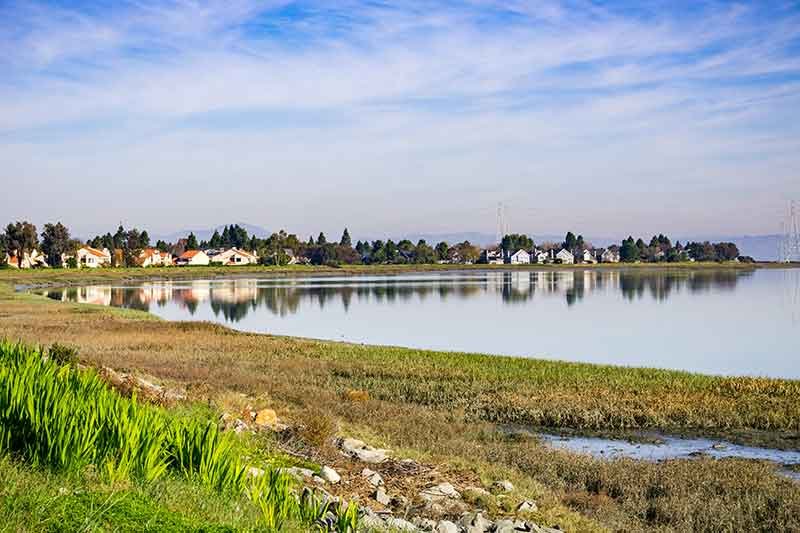
Shoreline erosion is a serious issue for thousands of lakes and ponds. It can continue to get worse over time due to the impact of rainfall, wind, waves, and human activity, such as irresponsible herbicidal treatments of the shorelines. The effect can be loss of shoreline property, loss of proper depth due to the displaced shoreline soil, creation of shoreline cracks and gullies, and, of course, loss of aesthetic appeal. Once started, this process can accelerate and become worse and worse over time.

Armored Shorelines

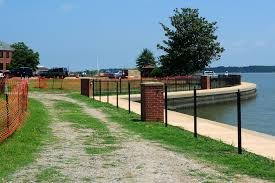
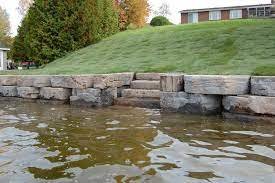
Shoreline armoring has both beneficial and detrimental effects. Armored shorelines can prevent sandy beaches, wetlands, and other intertidal areas from moving inland as the land erodes or sea levels rise, but they also have the potential to eliminate habitat for marine organisms and beachfront for the public by restricting the natural movement of sediments. The key to shoreline stabilization, if it is required, is to use a site-specific stabilization method that balances the needs of the public and the needs of the natural system.

We have experience with many shoreline restoration, bank stabilization, and erosion control techniques:

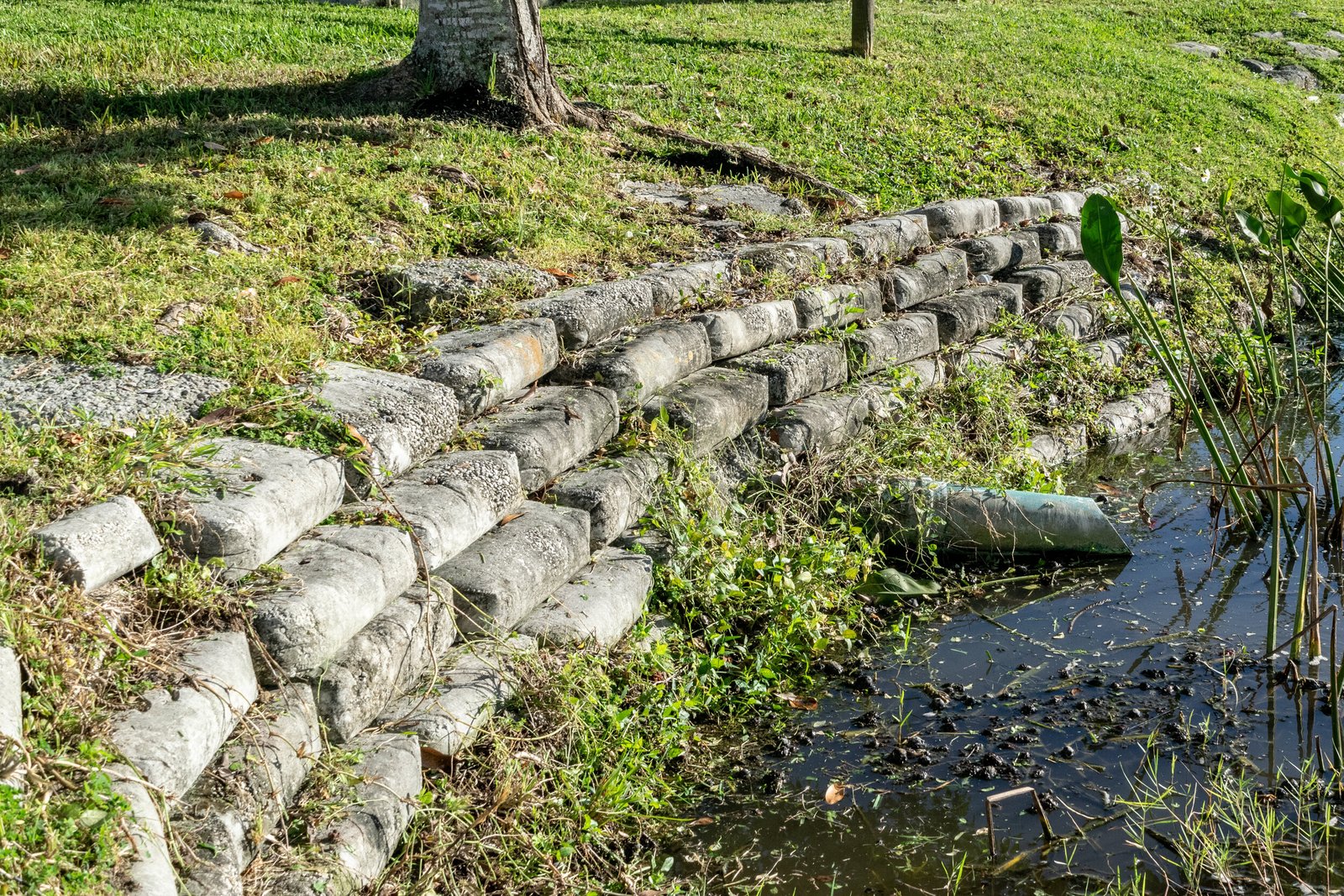
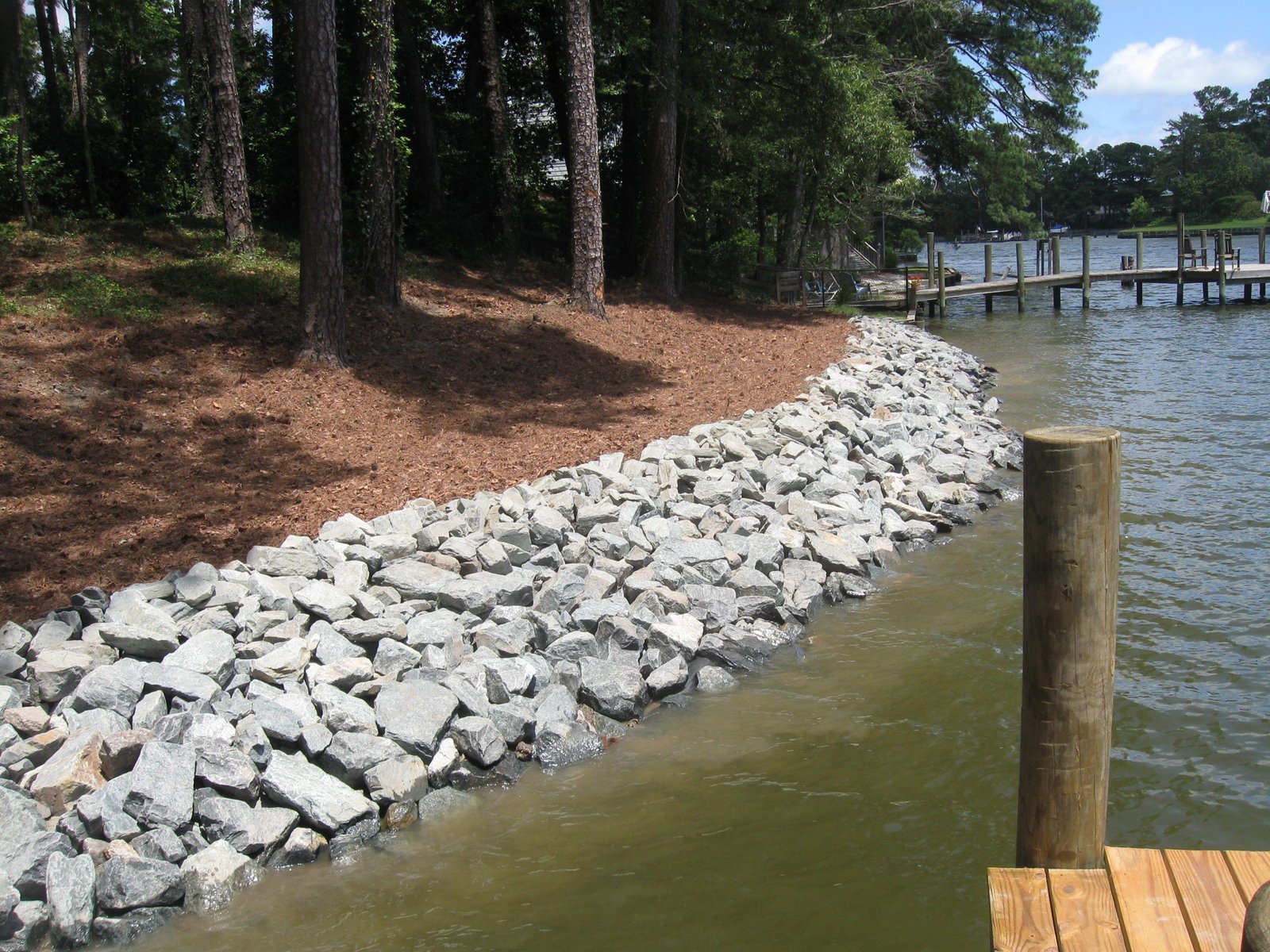
  • Rip rap
  • VRSS
  • Root wads
  • Grading
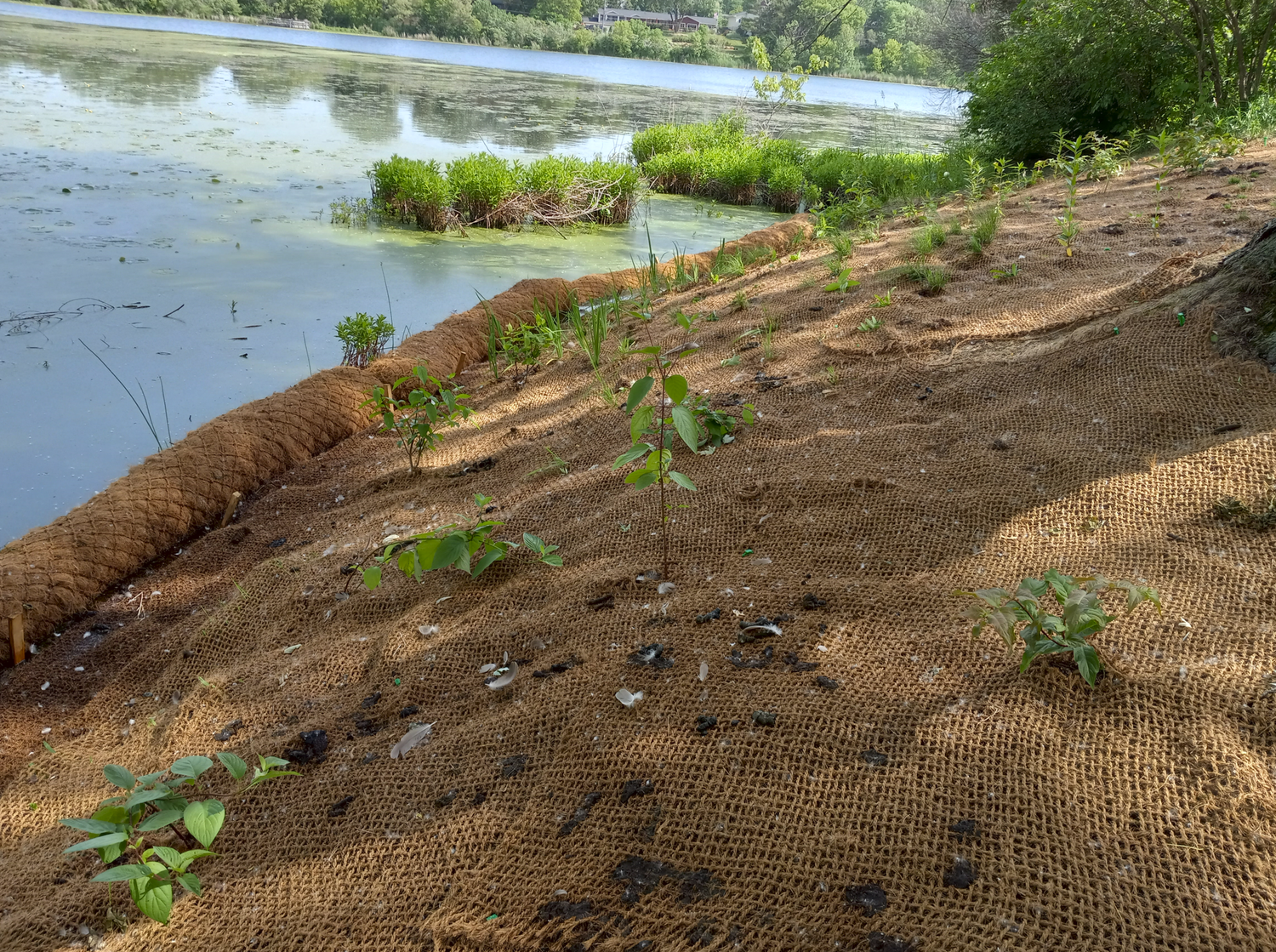
  • Erosion control mats
  • Coir logs
  • Vegetation plugs
  • …and more!

Urban cities face the unique challenge of protecting waterways while addressing stormwater management. Additionally, water within developed areas often faces extra stress from increased nutrient and sediment run-off from impervious surfaces. Balancing shoreline restoration with the demands of developed and urban landscapes is a challenge we take head-on. Our team has experience with many watershed restoration techniques including Rip rap, VRSS systems, Root wads, and more.

Erosion occurs when soil banks along a shore fall away into the waterway. This is a natural process that happens over time due to weather, but when this occurs too fast, it can have detrimental effects on water quality. It can also be a nuisance for development along shorelines–no one wants their house falling into the lake!

Sediment deposition often occurs in conjunction with erosion. A small amount of sand, rock, dirt, and litter is natural in lakes and streams, but extensive erosion or run-off can result in excessive sediment accumulating in water. This can block sunlight from reaching aquatic communities. High levels of sediment can also change natural water depths, which can affect the entire lake or stream ecology.

Nutrient loading refers to the accumulation of excess nutrients, especially nitrogen or phosphorus, within waterways. It can come from many sources such as fertilizer, grass clippings, plant litter, agriculture, etc. Excess nutrients may cause algae blooms which can lead to fish kill, increased mosquito breeding habitat, and poor conditions for recreation.

Shoreline and stream bank restoration can reduce or eliminate issues of erosion, sedimentation, and nutrient loading. Though it takes many forms, shoreline restoration often involves creating a buffer of vegetation along the edge of the waterway. Native plants have deep roots which hold soil in place, preventing erosion. Their above-ground mass can block and slow water run-off, limiting sedimentation deposition. Meanwhile their below-ground roots absorb nutrients, preventing them from running into the water.

Managed Retreat

Managed retreat or managed realignment is a coastal management strategy that allows the shoreline to move inland, instead of attempting to hold the line with structural engineering. Natural coastal habitat is enhanced seaward of a new line of defense. This approach is relatively new but is gaining traction among coastal policy makers and managers in the face of increased coastal hazard risks. Options that involve working with these natural processes involve a longer-term approach

Beach Nourishment/Replenishment

You can employ beach nourishment/replenishment, i.e., simply add sand to the beachfront, which the town would have to continually pay for; and you’ll need permits. Grant funding for sand replenishment only does not exist. And it is notable that the inclusion of sand in a larger living shoreline project could possibly become non-fundable in the future due to objections from the public, and objections of coastal policy makers and managers, to tax payer dollars being used to restore beaches that are not fully open to the broader public.

Wolf Contractors Project Portfolio

An overview of our site work & road building services over the past 35+ years. Wolf is a family owned business with experienced and overly qualified personnel that can take on any civil project in the Tidewater area.

View Our Completed Projects