Overview

Protecting the environment is an essential part of every job and we understand the importance of maintaining erosion and sediment controls. Each of our superintendents is a Certified Land Disturber with the Virginia Soil and Water Conservation Board. We are one of the leading underground storm water management contractors in the area working with the latest technology in storm water solutions.

Laws Concerning Erosion Control

The construction company you choose for your project needs to remain compliant with all laws and move forward with your state’s regulations as a priority. If you choose Wolf Contractors, you can be confident our team researches and understands your state’s laws regarding erosion control and will always act in accordance with these regulations. Without a knowledgeable team, you could be fined by your state government.

The main culprits of erosion are wind and water. While these natural elements are very powerful, there are ways to combat erosion caused by these components. For example, it’s vital to keep soil strong by keeping roots intact or planting new vegetation. The soil will latch onto the new or existing roots and wind or water will have a harder time detaching them from the ground.

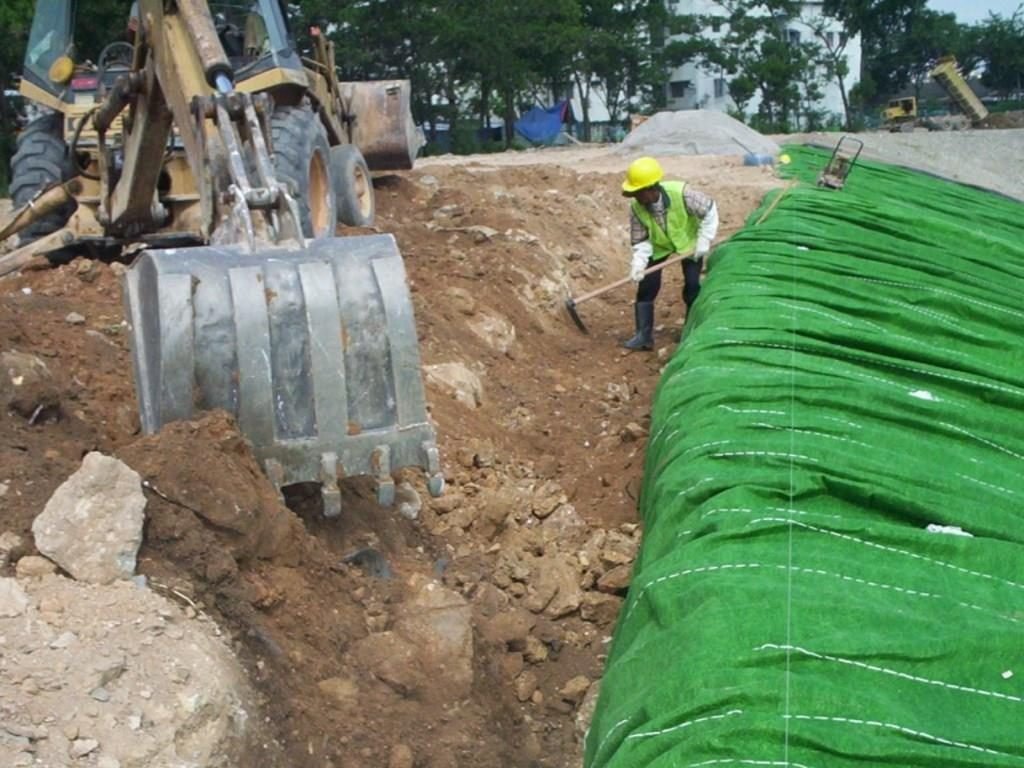
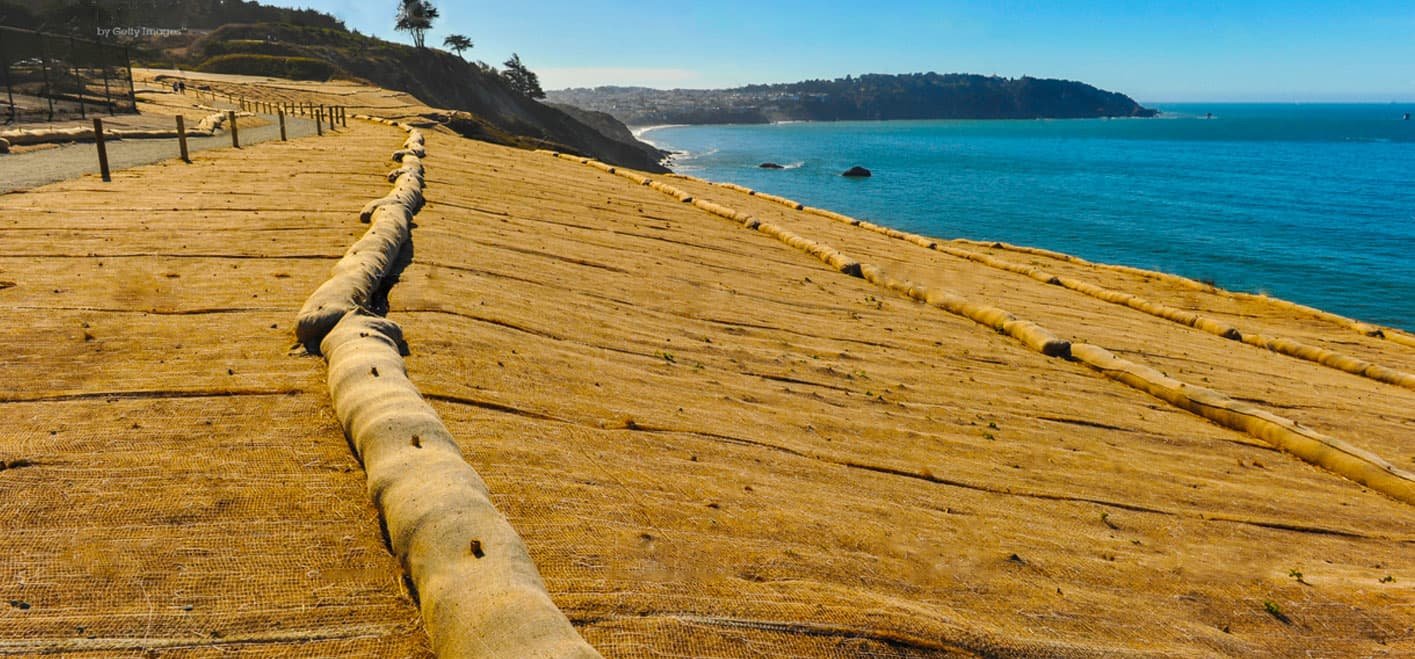
Erosion is the movement of soil or other surface materials via wind, water, or other natural elements. Construction companies have a huge role to play concerning controlling erosion, as keeping the landscape intact can dramatically affect the health of your property for decades to come. Erosion control encompasses the different methods used to protect your land from eroding. At Wolf Contractors, several erosion control methods we implement include:

  • Seeding
  • Silt fencing
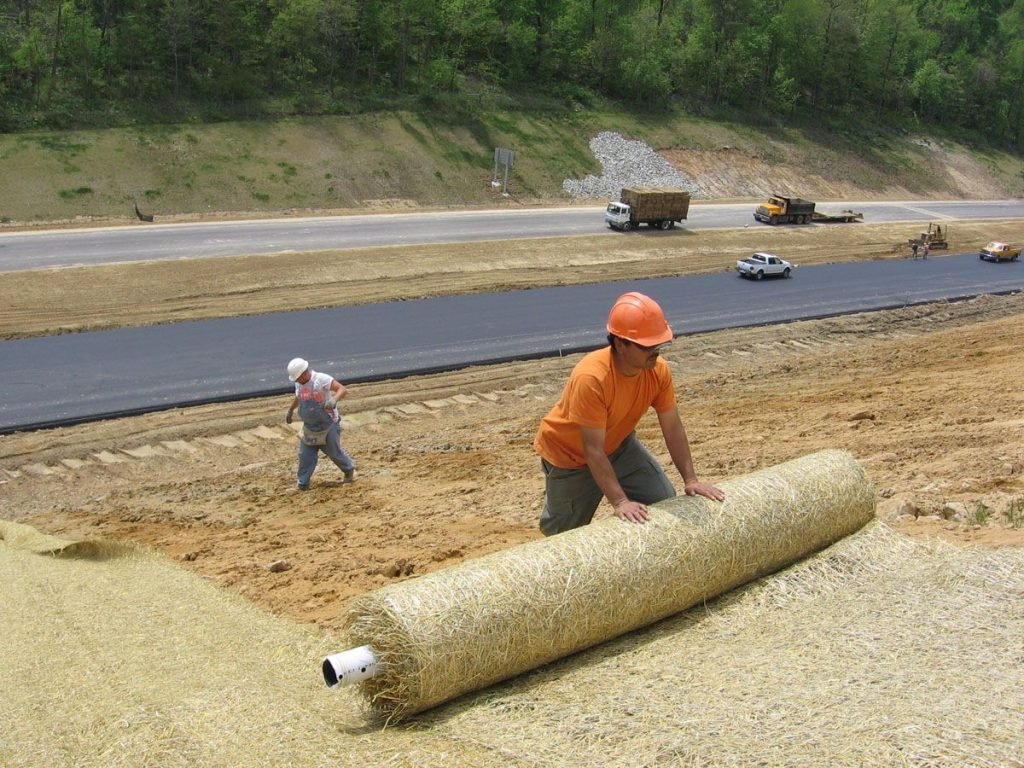
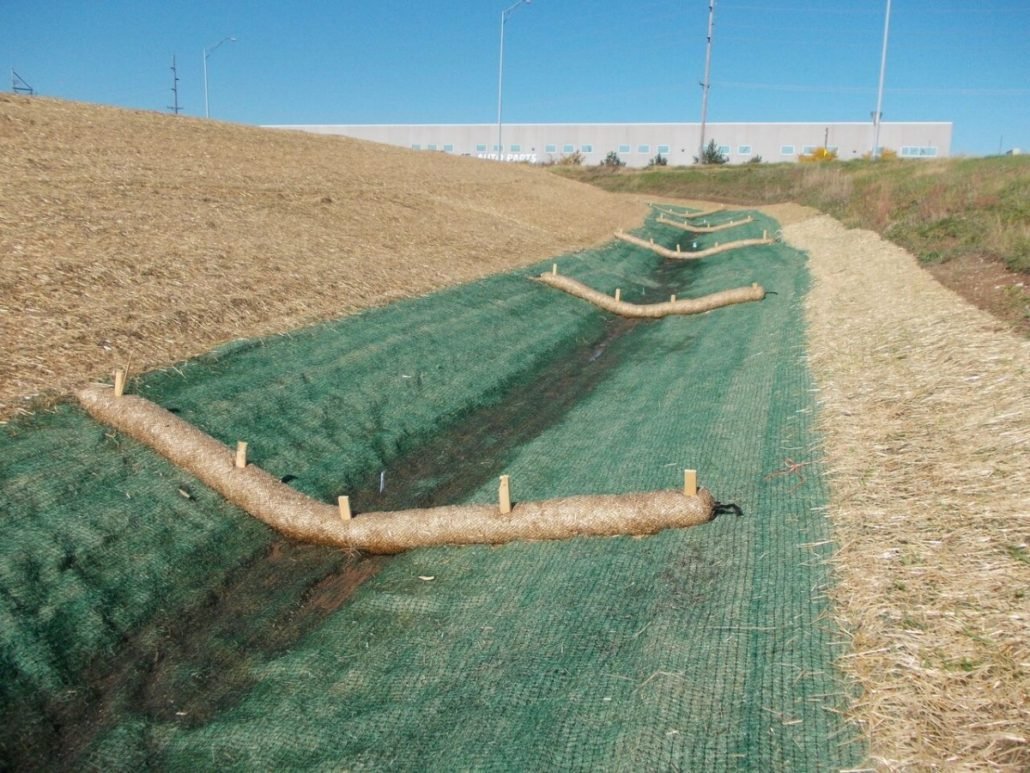
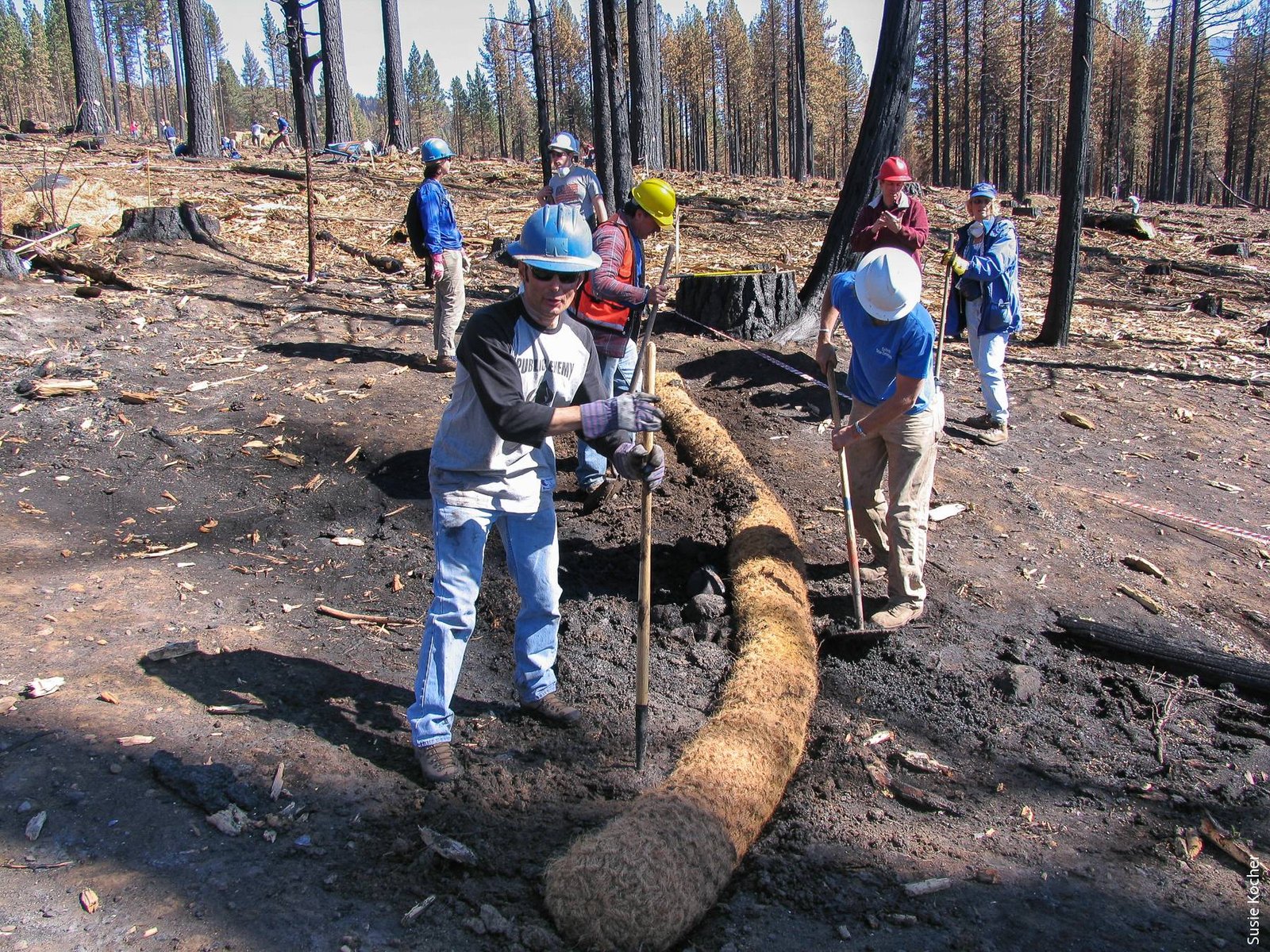
  • Straw roll installation
  • Tree Protection Fencing

You must implement the following four basic erosion control principles on your construction project:

Erosion Control: It refers to keeping the bare site soil in place, which is essentially the first line of defense at a construction site.

Sediment Control: The planning here caters to the second line of defense. If erosion control practices are rendered ineffective, sediment control will prevent onsite erosion from leaving the location.

Runoff or Drainage Control: Since erosion results from water, drainage control methods address the construction stormwater needs.

Maintenance: Finally, maintenance of all the management practices is the key to the project’s success. Besides, it will keep you up-to-date with all the measures put in place.

An erosion control site plan checklist may include a description of the landowner or designated agent, affected parcels, site location map, all predominant features around, and soil survey. More details include the proposed earth changes and their physical limits, existing and suggested site drainage systems, temporary and permanent control measures, utility installations, land clearing, road constructions, and more. The plan must also specify the procedures for installing, maintaining, and/or removing the permanent and temporary soil erosion control and sediment control measures. These are only a few items, but detailed specifics may vary from one plan to the other.

Phases of Erosion

There are three phases of erosion – detachment, transportation, and deposition. Detachment refers to the process of the soil being removed from the ground. Transportation refers to the process of it being moved – normally by wind or water – to another location. Deposition refers to the process of the soil being settled into a new place. 

Quality

Your site work contractor must have in-depth knowledge and experience regarding erosion control and its role in a successful project. Discover the answers to four frequently asked questions about erosion control.

Wolf Contractors Project Portfolio

An overview of our site work & road building services over the past 35+ years. Wolf is a family owned business with experienced and overly qualified personnel that can take on any civil project in the Tidewater area.

View Our Completed Projects